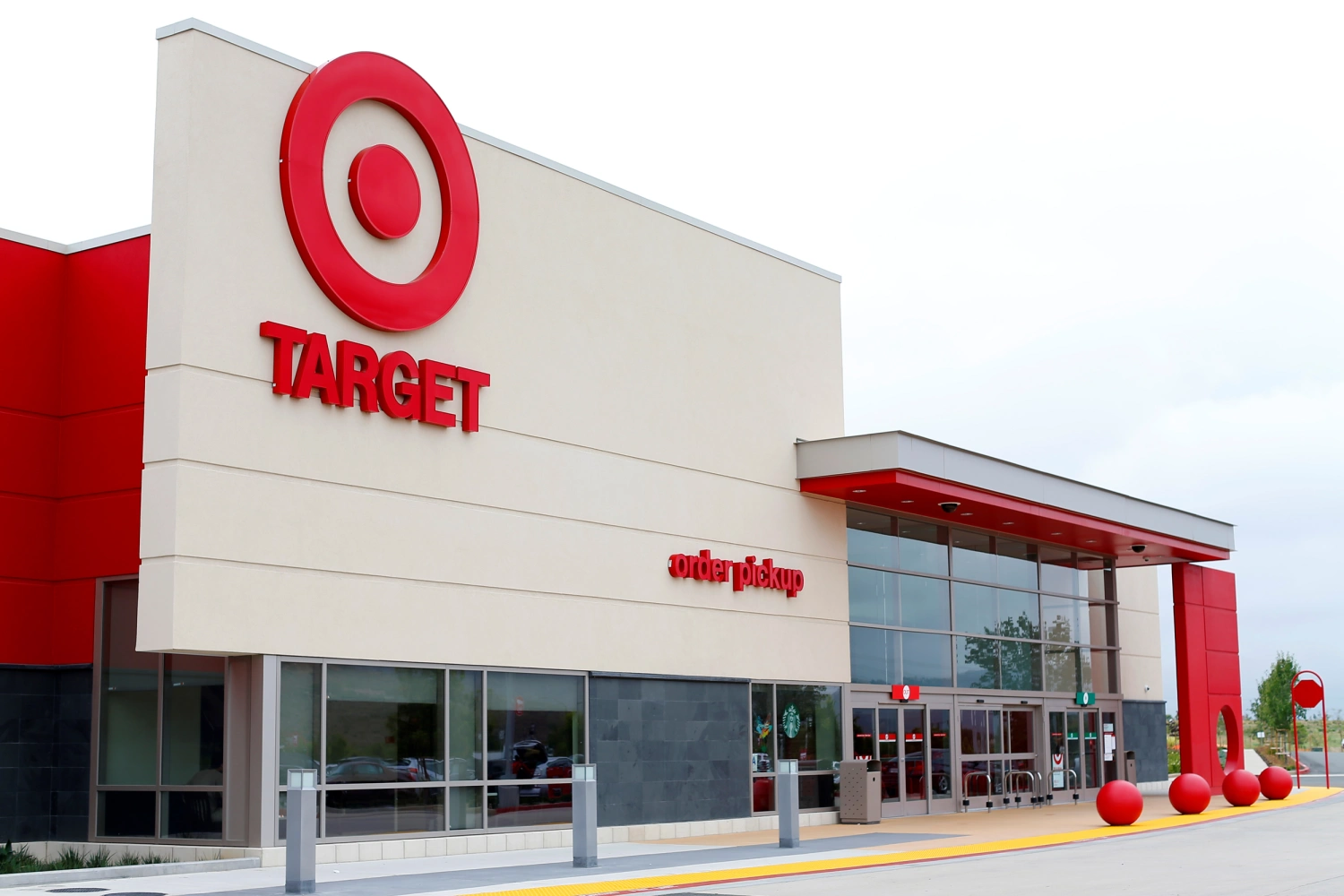
Snow was falling. Christmas music played in every Target store.
Parents were hunting for deals. Kids were begging for toys. Target’s network was buzzing with the electrical joy of capitalism.
The Story
Snow was falling. Christmas music played in every Target store.
Parents were hunting for deals. Kids were begging for toys. Target’s network was buzzing with the electrical joy of capitalism.
And deep inside their systems… someone else was shopping.
It all began when a small HVAC vendor — not a hacker, not a spy — received a phishing email. Their credentials to Target’s vendor portal were stolen. They didn’t think much of it.
But someone else did.
The attackers slipped into Target’s internal network using those HVAC credentials, moving through digital hallways like burglars sneaking through an unlocked skyscraper.
They eventually discovered the POS systems, the digital cash registers where every card swipe occurred. And they deployed BlackPOS malware, a clever little parasite that scraped credit card data right out of memory before it was encrypted.
And because retail Christmas sales are basically a flood of transactions, the attackers collected data the way a snowplow collects snow — fast, relentless, piling up mountains of card numbers.
They exfiltrated the stolen data in one of the most hilariously petty but effective ways imaginable:
They sent it out through Target’s own servers, bundled to look like internal traffic.
It was almost elegant in its pettiness.
When Target finally realized the truth, it wasn’t because their systems told them.
It was because the U.S. Secret Service called and said, “Hey… we think your customers’ cards are all over the dark web.”
Aftermath
- 40 million credit cards stolen
- 70 million customer profiles accessed
- Banks had to reissue masses of cards
- Target’s CEO resigned
- The company lost billions in reputation and revenue
Global Impact
- Forced the transition to EMV chip cards in the U.S.
- Retail cybersecurity standards increased overnight
- Third-party vendor security became a major compliance area
A breach powered by an HVAC login transformed the retail security landscape forever.